
Prenatal immune priming to P. falciparum is characterized by multi-lineage T cell responses that are influenced by maternal microchimerism and predict malaria outcomes
Published in bioRxiv, 2026
In malaria endemic settings, the fetus may be exposed to Plasmodium falciparum (Pf) antigens leading to prenatal immune primming (PIP). The fetus also acquires a graft of maternal cells in utero, a phenomenon known as maternal microchimerism (MMc). We have previously identified that MMc at birth predicts altered…
Recommended citation: Jiang Y†, Bach FA†, Houck J, Carlson M, Mahamar A, Santara G, Attaher O, …, Harrington WE (2026). Prenatal immune priming to P. falciparum is characterized by multi-lineage T cell responses that are influenced by maternal microchimerism and predict malaria outcomes. bioRxiv.
Download Paper
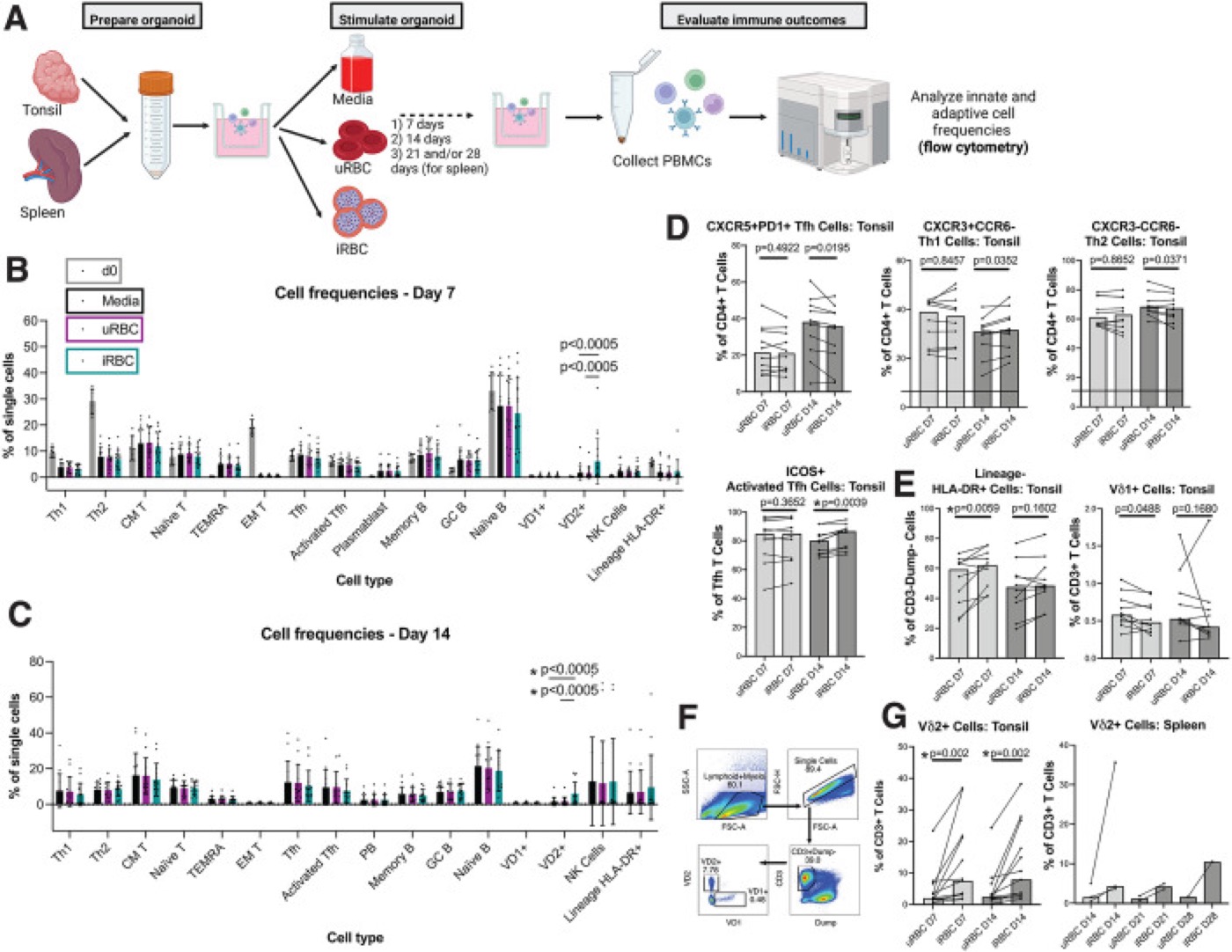 Vaccine effectiveness against malaria is dramatically reduced in malaria-exposed compared to malaria-naïve populations, potentially due to altered immune responses in secondary lymphoid organs following repeated infection. Newly developed human tonsil and spleen organoids, which replicate key features of B and T cell…
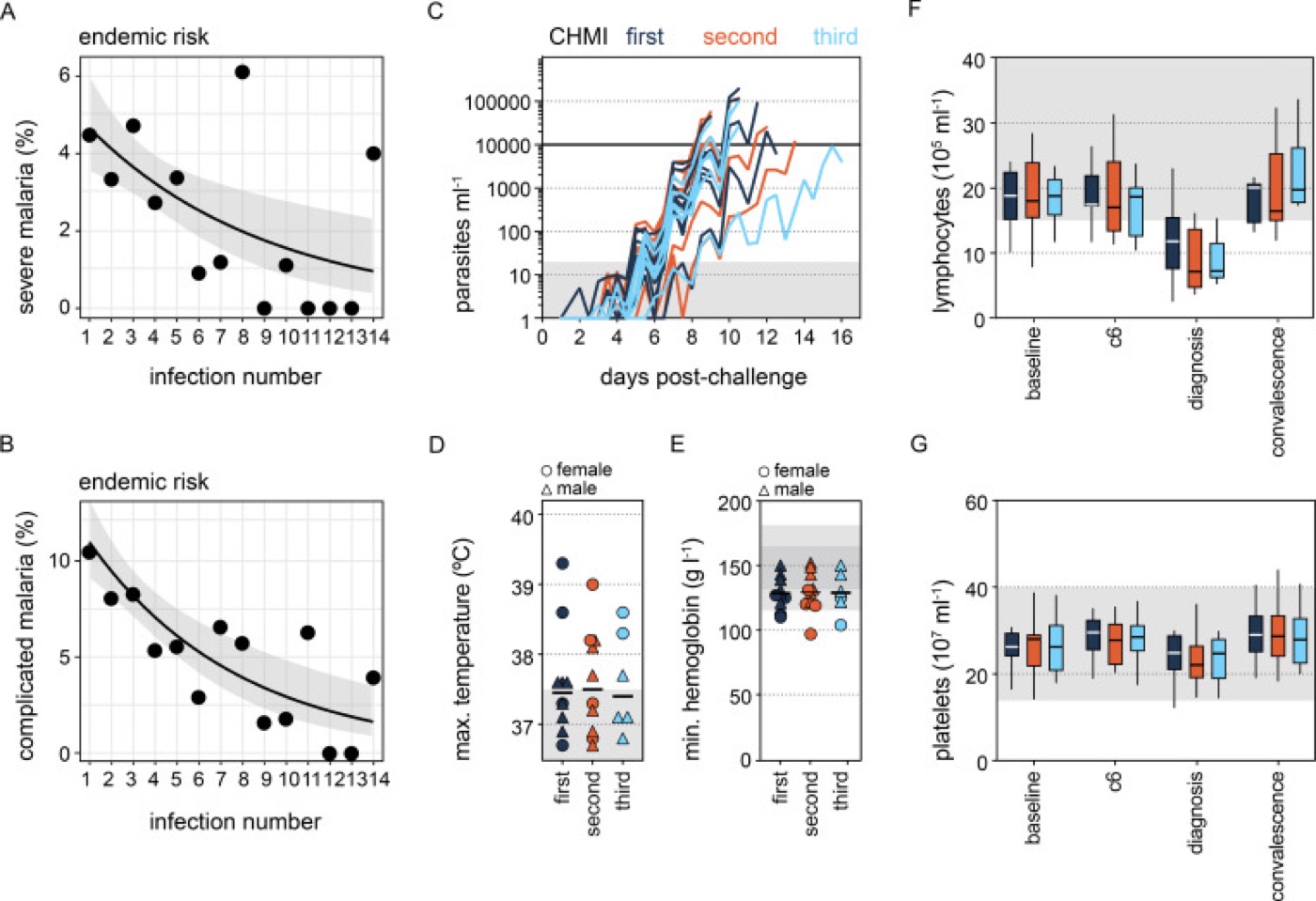 Immunity to severe malaria is acquired quickly, operates independently of pathogen load, and represents a highly effective form of disease tolerance. The mechanism that underpins tolerance remains unknown. We used a human rechallenge model of falciparum malaria in which healthy adult volunteers were infected three…
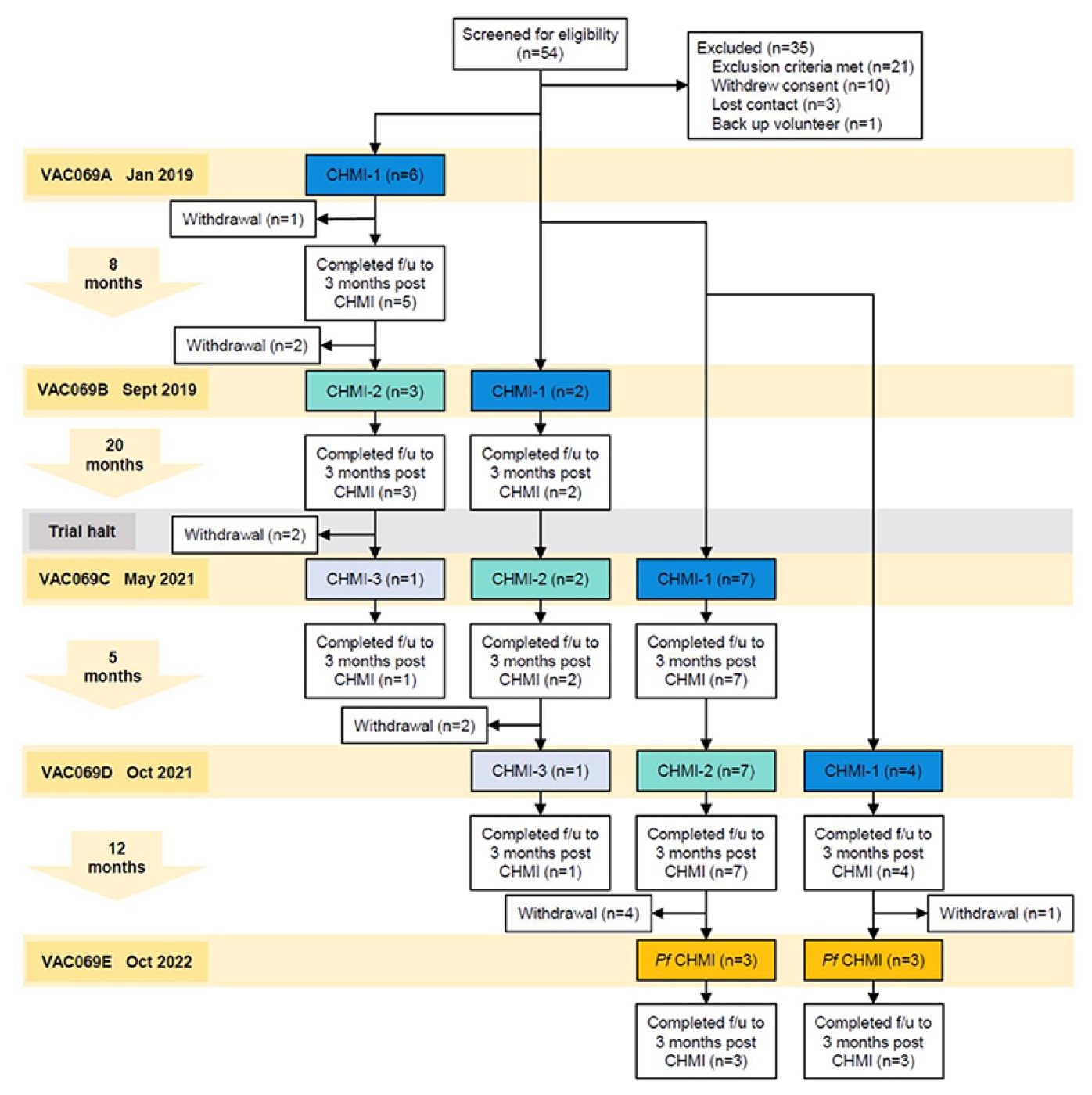 Clinical immunity to malaria can lead to asymptomatic infection, but the underlying mechanisms remain unclear. To examine the development of clinical immunity, we conducted a multi-cohort, repeat controlled human malaria infection (CHMI) study with Plasmodium vivax, and a heterologous rechallenge with P. falciparum…
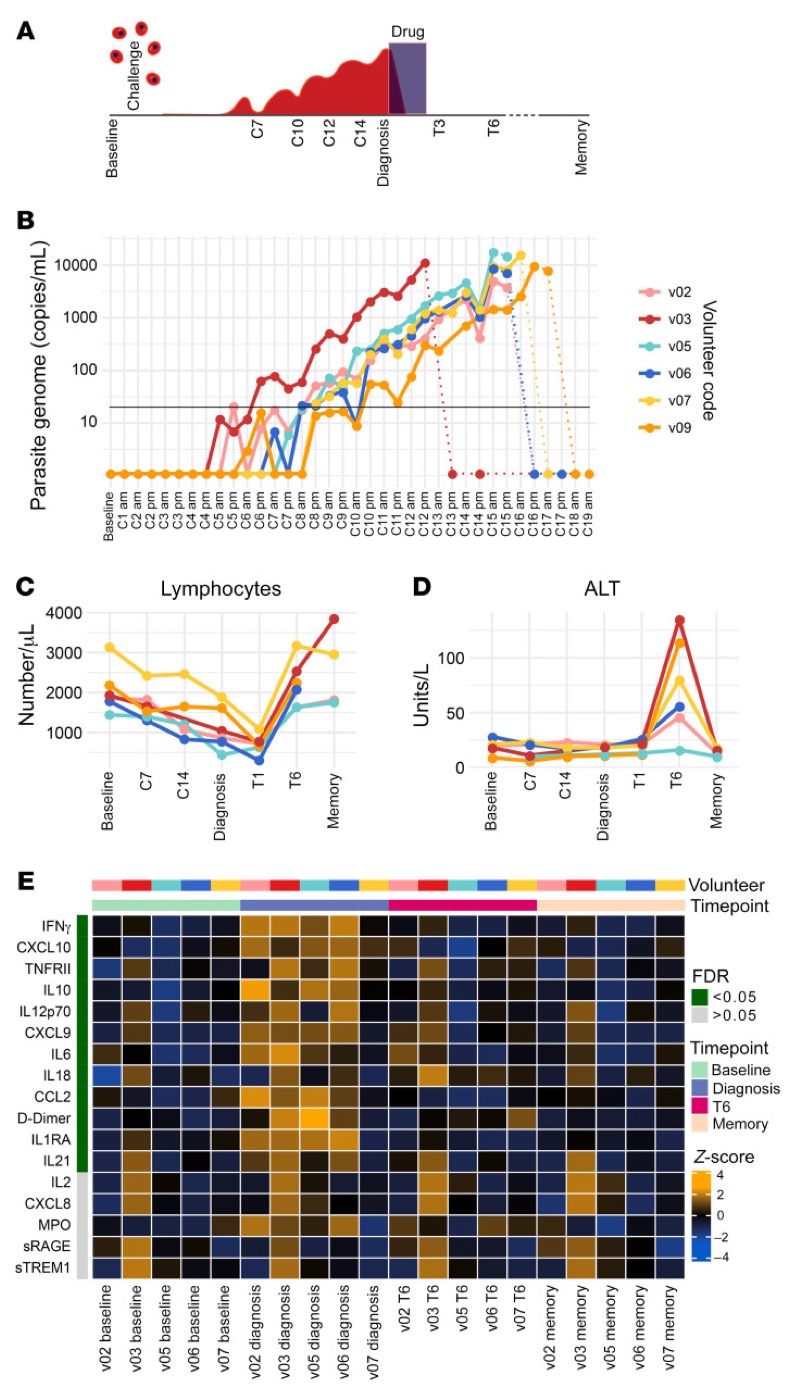 BACKGROUNDThe biology of Plasmodium vivax is markedly different from that of P. falciparum; how this shapes the immune response to infection remains unclear. To address this shortfall, we inoculated human volunteers with a clonal field isolate of P. vivax and tracked their response through infection and…
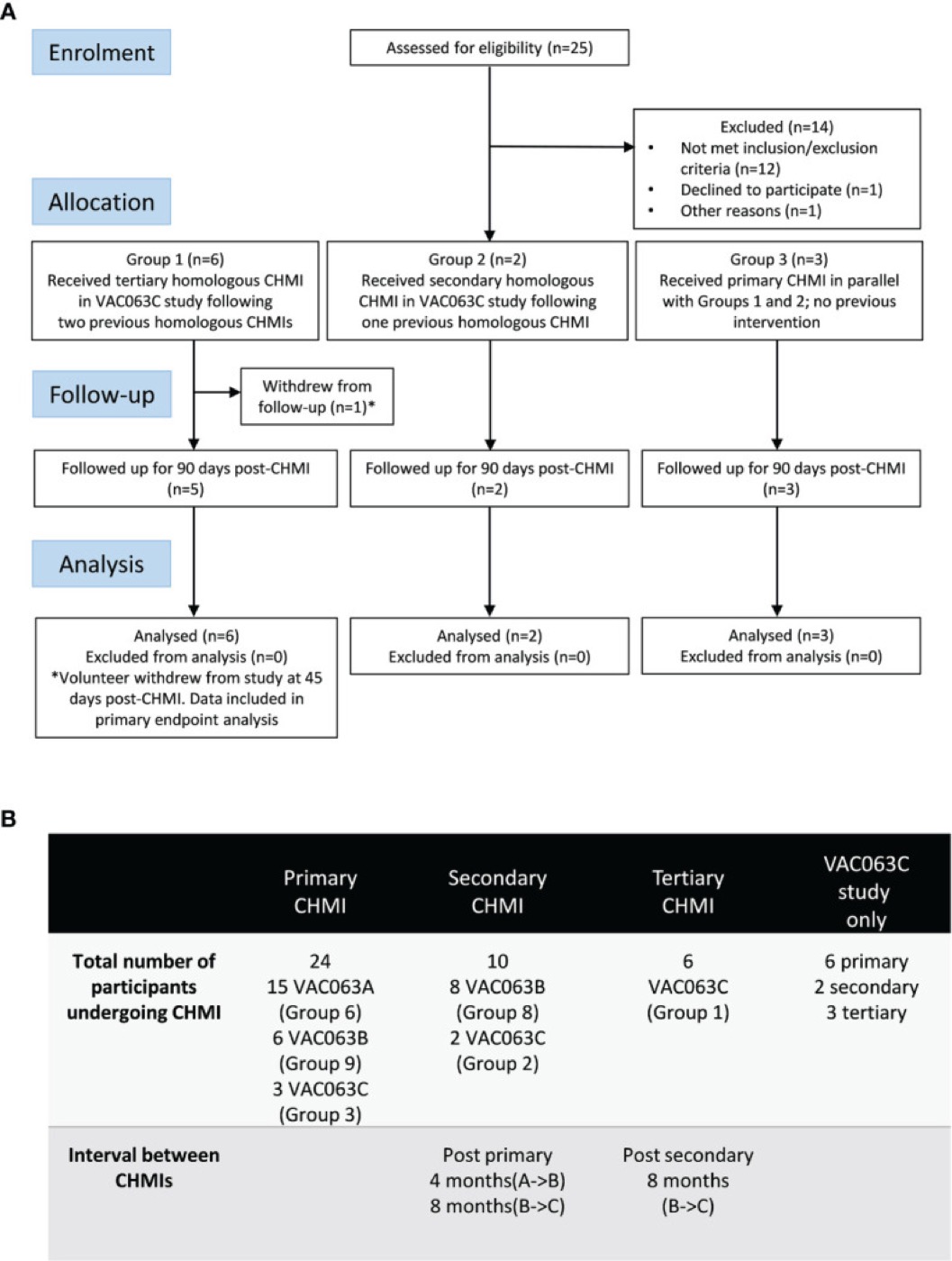 In endemic settings it is known that natural malaria immunity is gradually acquired following repeated exposures. Here we sought to assess whether similar acquisition of blood-stage malaria immunity would occur following repeated parasite exposure by controlled human malaria infection (CHMI). We report the findings of…
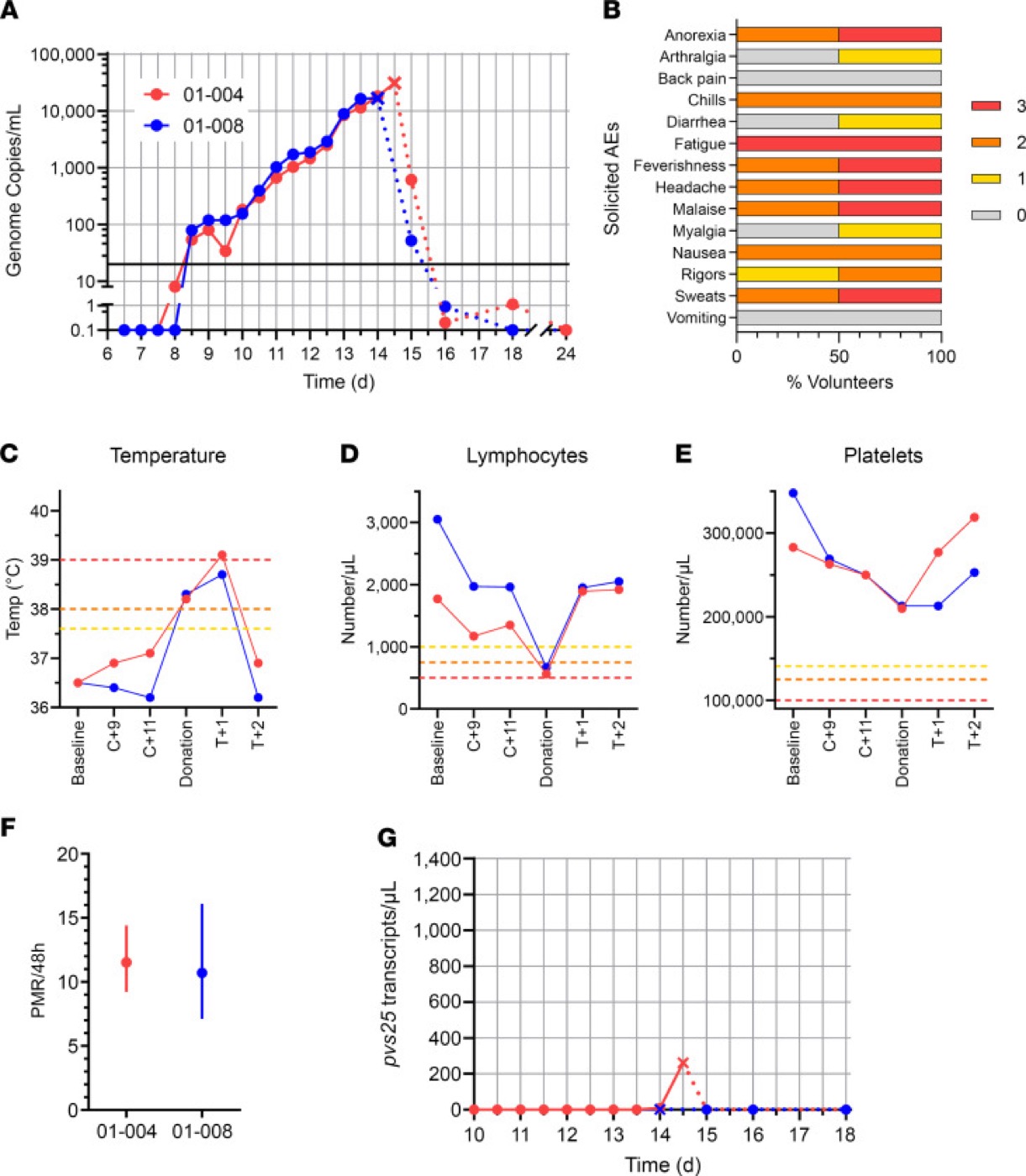 Controlled human malaria infection (CHMI) provides a highly informative means to investigate host-pathogen interactions and enable in vivo proof-of-concept efficacy testing of new drugs and vaccines. However, unlike Plasmodium falciparum, well-characterized P. vivax parasites that are safe and suitable for use in…