
Sitemap
A list of all the posts and pages found on the site. For you robots out there, there is an XML version available for digesting as well.
Pages
Posts
portfolio
publications
Senescence in immunity against helminth parasites predicts adult mortality in a wild mammal
Published in Science 365(6459):1296–1298, 2019
Our understanding of the deterioration in immune function in old age-immunosenescence-derives principally from studies of modern human populations and laboratory animals. The generality and significance of this process for systems experiencing complex, natural infections and environmental challenges are unknown. Here,…
Recommended citation: Froy H, Sparks AM, Watt K, Sinclair R, Bach FA, Pilkington JG, Pemberton JM, …, Nussey DH (2019). Senescence in immunity against helminth parasites predicts adult mortality in a wild mammal. Science 365(6459):1296–1298.
Download Paper
Controlled human malaria infection with a clone of Plasmodium vivax with high-quality genome assembly
Published in JCI Insight, 2021
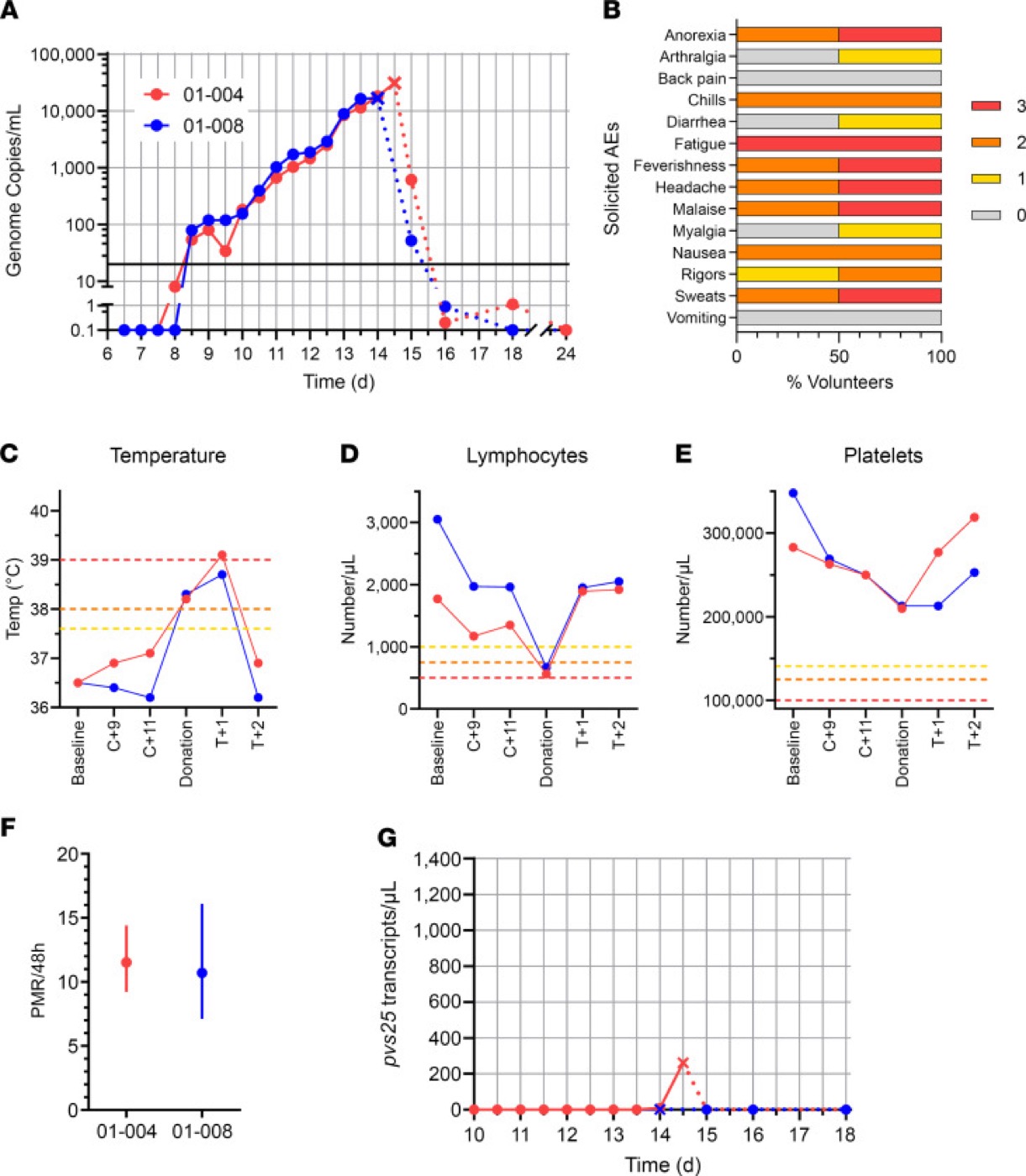 Controlled human malaria infection (CHMI) provides a highly informative means to investigate host-pathogen interactions and enable in vivo proof-of-concept efficacy testing of new drugs and vaccines. However, unlike Plasmodium falciparum, well-characterized P. vivax parasites that are safe and suitable for use in…
Recommended citation: Minassian AM, Themistocleous Y, Silk SE, Barrett JR, Kemp A, Quinkert D, Nielsen CM, …, Bach FA, …, Draper SJ (2021). Controlled human malaria infection with a clone of Plasmodium vivax with high-quality genome assembly. JCI Insight.
Download Paper
Repeat controlled human malaria infection of healthy UK adults with blood-stage Plasmodium falciparum: safety and parasite growth dynamics
Published in Frontiers in Immunology, 2022
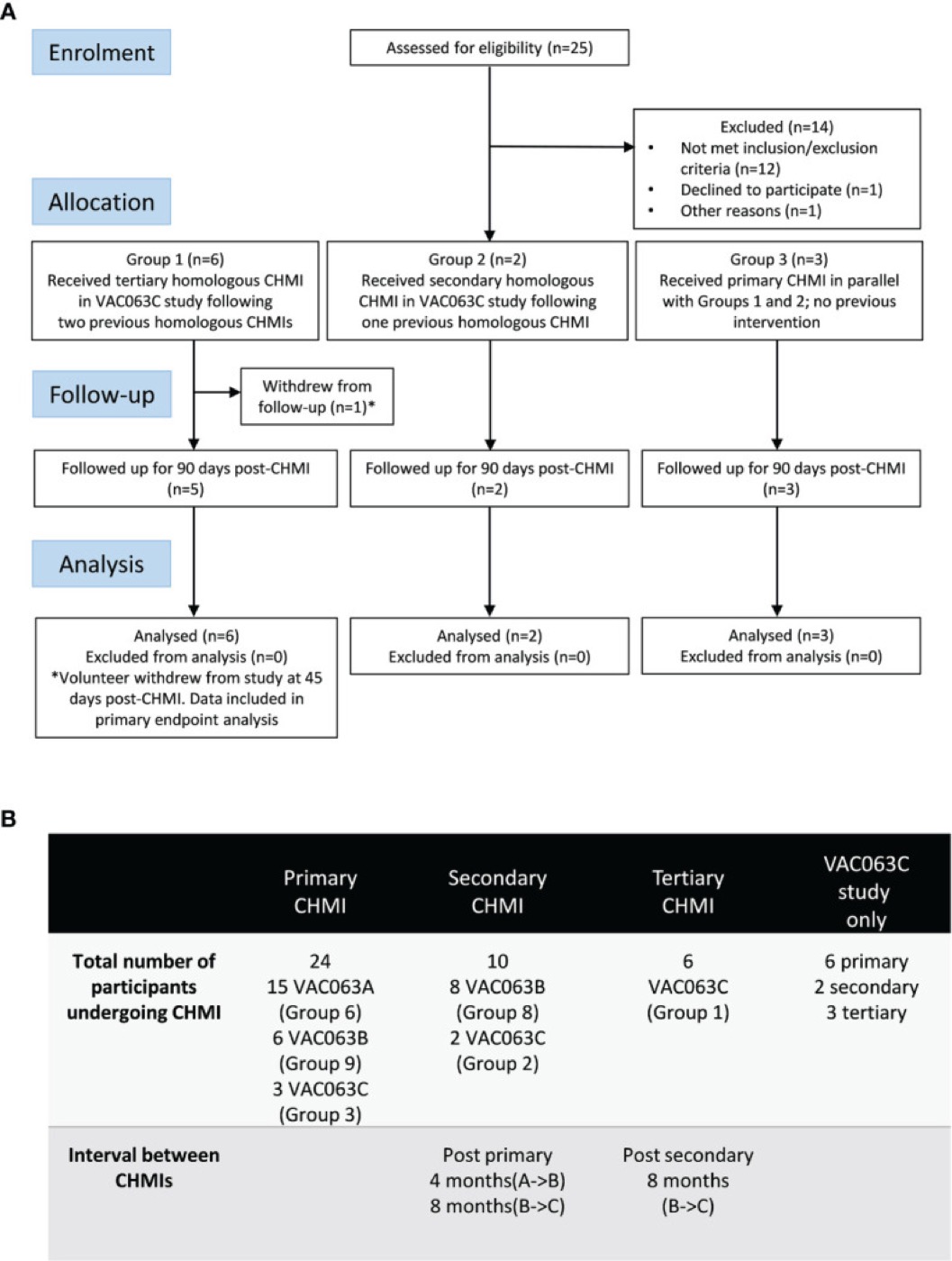 In endemic settings it is known that natural malaria immunity is gradually acquired following repeated exposures. Here we sought to assess whether similar acquisition of blood-stage malaria immunity would occur following repeated parasite exposure by controlled human malaria infection (CHMI). We report the findings of…
Recommended citation: Salkeld J, Themistocleous Y, Barrett JR, Mitton CH, Rawlinson TA, Payne RO, Hou MM, …, Bach FA, …, Minassian AM (2022). Repeat controlled human malaria infection of healthy UK adults with blood-stage Plasmodium falciparum: safety and parasite growth dynamics. Frontiers in Immunology.
Download Paper
A systematic analysis of the human immune response to Plasmodium vivax
Published in Journal of Clinical Investigation, 2023
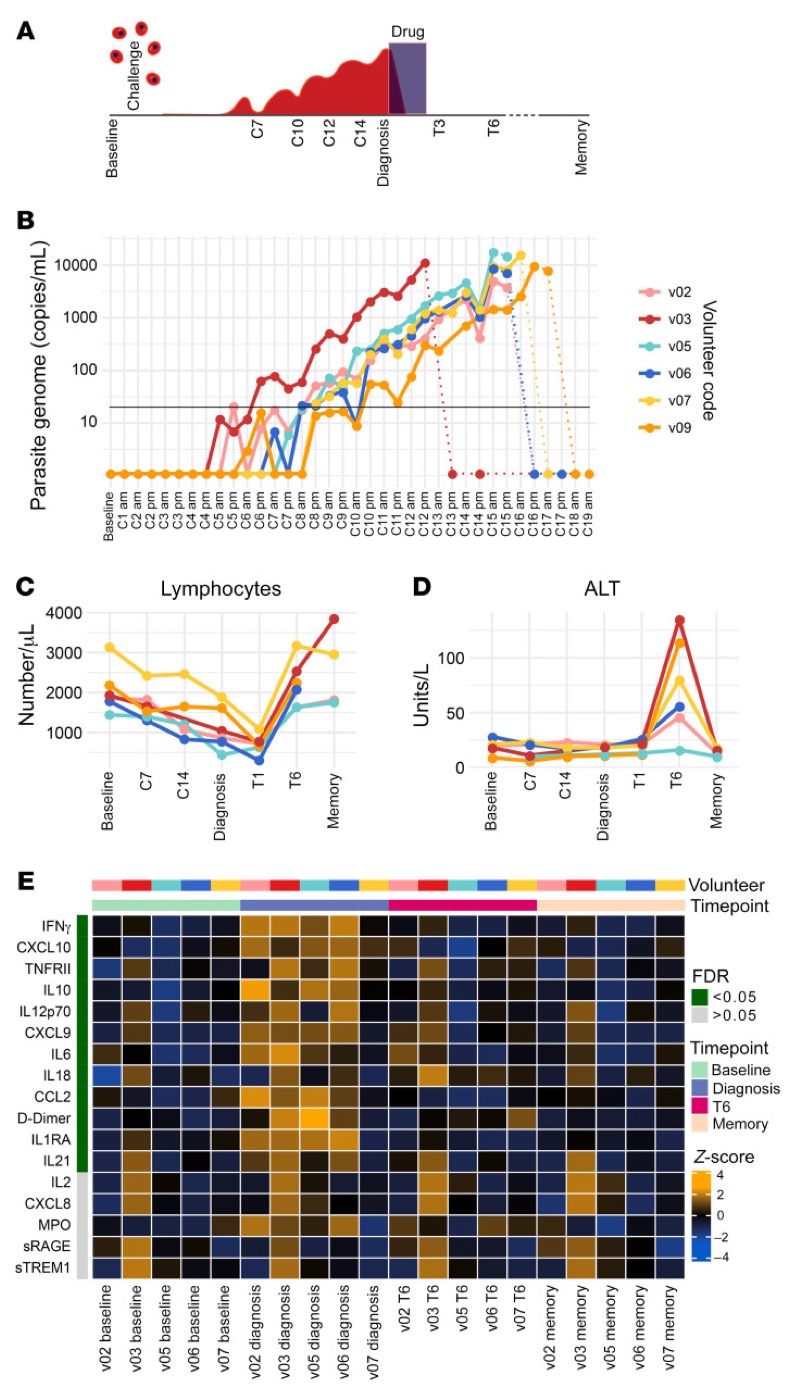 BACKGROUNDThe biology of Plasmodium vivax is markedly different from that of P. falciparum; how this shapes the immune response to infection remains unclear. To address this shortfall, we inoculated human volunteers with a clonal field isolate of P. vivax and tracked their response through infection and…
Recommended citation: Bach FA, Muñoz Sandoval D, Mazurczyk M, Themistocleous Y, Rawlinson TA, Kemp A, Silk SE, …, Spence PJ (2023). A systematic analysis of the human immune response to Plasmodium vivax. Journal of Clinical Investigation.
Download Paper
Natural killer cell antibody-dependent cellular cytotoxicity to Plasmodium falciparum is impacted by cellular phenotypes, erythrocyte polymorphisms, parasite diversity and intensity of transmission
Published in Clinical & Translational Immunology 13(11):e70005, 2024
ObjectivesNatural killer (NK) cells make important contributions to anti-malarial immunity through antibody-dependent cellular cytotoxicity (ADCC), but the role of different components of this pathway in promoting NK cell activation remains unclear.MethodsWe compared the functions and phenotypes of NK cells from…
Recommended citation: Tukwasibwe S, Lewis SN, Taremwa Y, van der Ploeg K, Press KD, Ty M, Namirimu Nankya F, …, Bach FA, …, Jagannathan P (2024). Natural killer cell antibody-dependent cellular cytotoxicity to Plasmodium falciparum is impacted by cellular phenotypes, erythrocyte polymorphisms, parasite diversity and intensity of transmission. Clinical & Translational Immunology 13(11):e70005.
Download Paper
Moving beyond discovery science to a mechanistic understanding of human malaria
Published in Current Opinion in Microbiology [Invited review], 2025
We’ve had more than a hundred years of discovery-based human malaria research that has made steady progress in observing disease processes (such as sequestration and vascular occlusion) as well as potential mechanisms of immunity. These observations now take centre stage as we enter an era of mass vaccination that…
Recommended citation: Spence PJ, Nahrendorf W, Bach FA (2025). Moving beyond discovery science to a mechanistic understanding of human malaria. Current Opinion in Microbiology.
Download Paper
Development of clinical immunity to Plasmodium vivax following repeat controlled human malaria infection
Published in Nature Communications, 2025
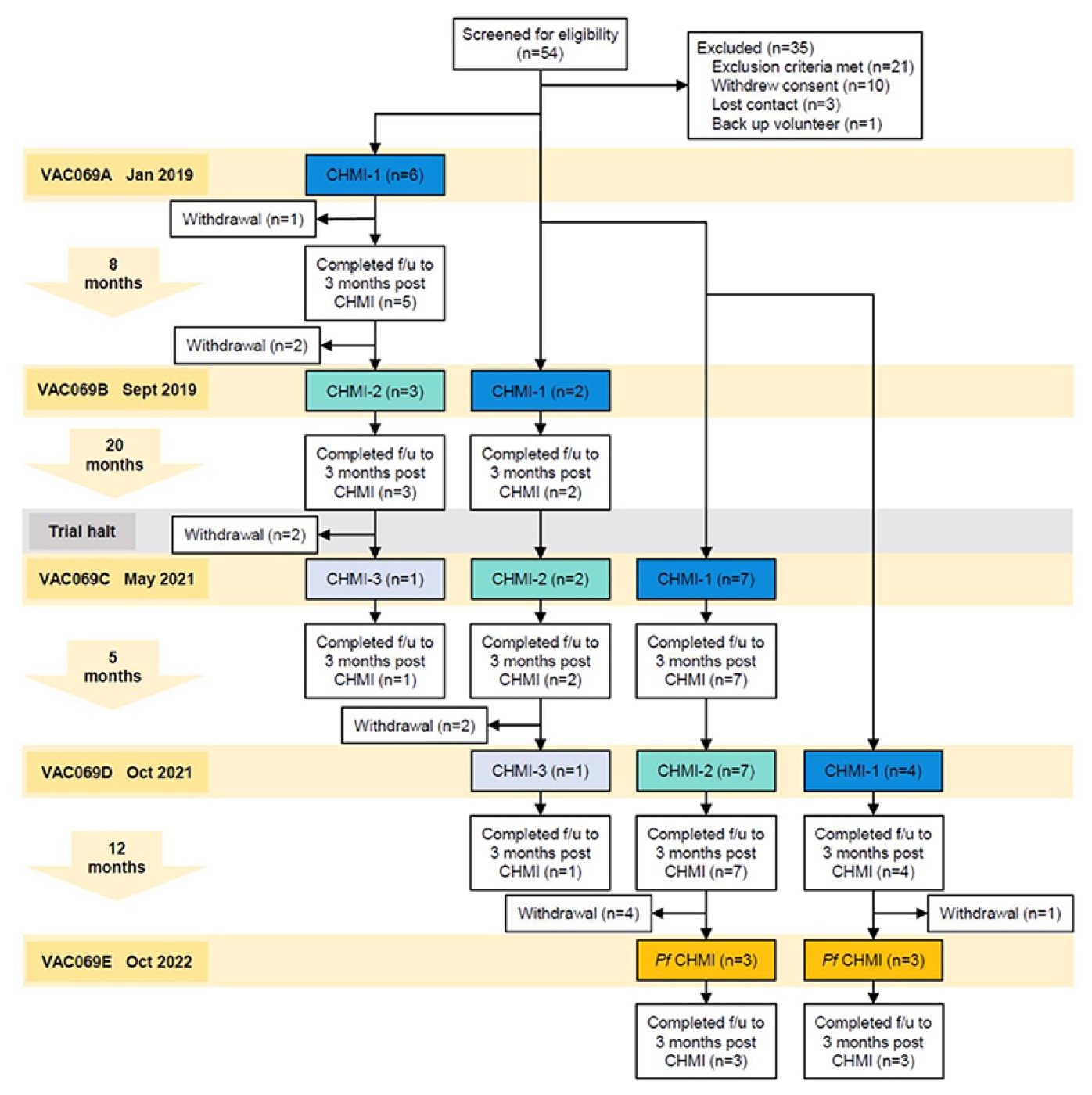 Clinical immunity to malaria can lead to asymptomatic infection, but the underlying mechanisms remain unclear. To examine the development of clinical immunity, we conducted a multi-cohort, repeat controlled human malaria infection (CHMI) study with Plasmodium vivax, and a heterologous rechallenge with P. falciparum…
Recommended citation: Hou MM, Harding AC, Barber NM, Kundu P, Bach FA, Salkeld J, Themistocleous Y, …, Minassian A (2025). Development of clinical immunity to Plasmodium vivax following repeat controlled human malaria infection. Nature Communications.
Download Paper
Plasmodium falciparum induces T cell tolerance that is associated with decreased disease severity upon reinfection
Published in Journal of Experimental Medicine 222(7):e20241667, 2025
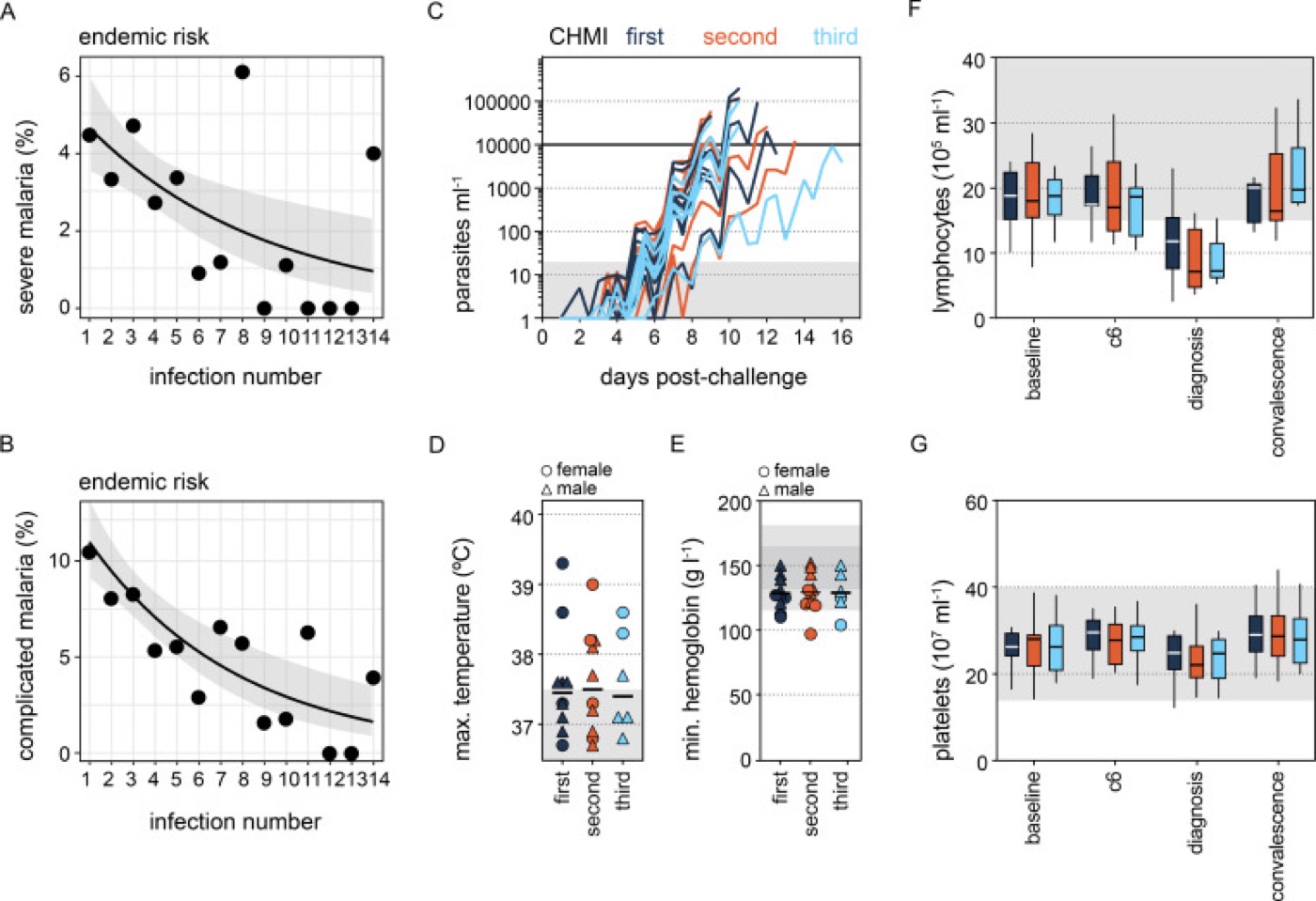 Immunity to severe malaria is acquired quickly, operates independently of pathogen load, and represents a highly effective form of disease tolerance. The mechanism that underpins tolerance remains unknown. We used a human rechallenge model of falciparum malaria in which healthy adult volunteers were infected three…
Recommended citation: Muñoz Sandoval D†, Bach FA†, Ivens A, Harding AC, Smith NL, Mazurczyk M, Themistocleous Y, …, Spence PJ (2025). Plasmodium falciparum induces T cell tolerance that is associated with decreased disease severity upon reinfection. Journal of Experimental Medicine 222(7):e20241667.
Download Paper
Clone tracking through repeated malaria identifies high-fidelity memory CD4+ T cell responses
Published in Science Immunology 10(106):eads2957, 2025
Few studies have tracked human CD4+ T cell clones through repeated infections. We used longitudinal single-cell RNA and T cell receptor (TCR) tracking to study the functional stability and memory potential of CD4+ T cell clonotypes during repeated Plasmodium falciparum (Pf) infections in Ugandan children and adults.…
Recommended citation: Nideffer JF, Bach FA, Nankya F, Musinguzi K, Borna S, Mantilla M, Zedi M, …, Jagannathan P (2025). Clone tracking through repeated malaria identifies high-fidelity memory CD4+ T cell responses. Science Immunology 10(106):eads2957.
Download Paper
CXCR6+CD127- Tr1 cells balance immunity and persistence in Plasmodium falciparum infection
Published in Journal of Clinical Investigation, 2026
Plasmodium falciparum (Pf) induces the clonal expansion of antigen-specific type 1 regulatory T (Tr1) cells capable of long-term memory. Tr1 cells comprise nearly 90% of the Pf blood stage antigen-specific CD4+ T cell pool in children. Though, whether Tr1 cells contribute to protection from malaria remains…
Recommended citation: Nideffer JF, Bach FA, Strubbe S, Lopez L, Zedi M, Nankya F, Briggs J, …, Jagannathan P (2026). CXCR6+CD127- Tr1 cells balance immunity and persistence in Plasmodium falciparum infection. Journal of Clinical Investigation.
Download Paper
Cytotoxic Vδ2+ T cell subsets expand in response to malaria in human tonsil and spleen organoids
Published in PLOS Pathogens 22(4):e1013565, 2026
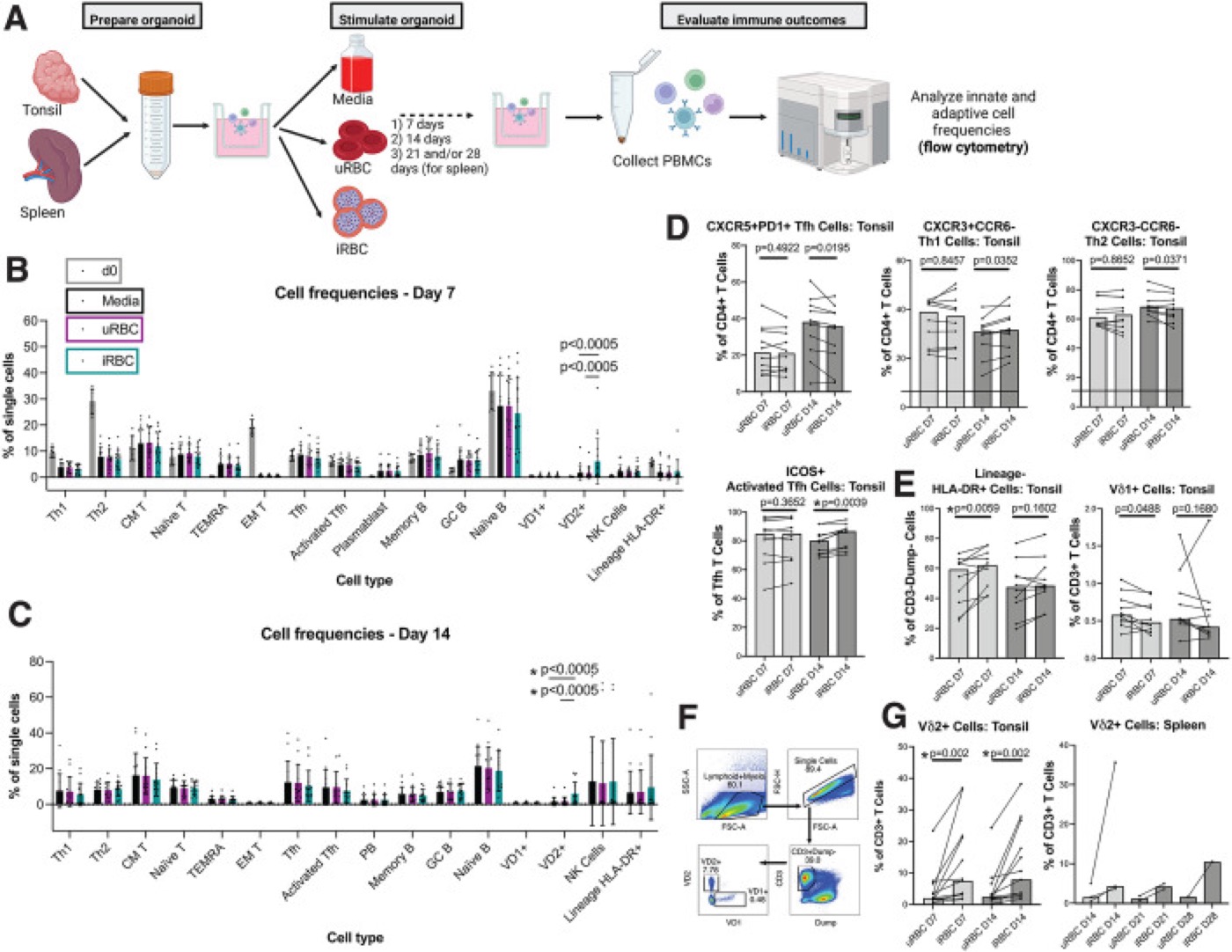 Vaccine effectiveness against malaria is dramatically reduced in malaria-exposed compared to malaria-naïve populations, potentially due to altered immune responses in secondary lymphoid organs following repeated infection. Newly developed human tonsil and spleen organoids, which replicate key features of B and T cell…
Recommended citation: Press KD, Bach FA, Sola E, Camanag K, Dooley NL, Ivanawati A, Oyong D, …, Jagannathan P (2026). Cytotoxic Vδ2+ T cell subsets expand in response to malaria in human tonsil and spleen organoids. PLOS Pathogens 22(4):e1013565.
Download Paper
Assessing the effect of malaria exposure history on tetanus antibody waning rates among children in Jinja and Tororo districts, Uganda
Published in Journal of Infectious Diseases, 2026
BackgroundMalaria causes immune perturbations and affects immunogenicity to vaccines. It is unknown, however, how repeated malaria infections affect the duration of vaccine protection. This study assessed variability in tetanus antitoxin immunoglobulin G (IgG) antibody kinetics including by malaria exposure history at…
Recommended citation: Sbarra AN, Stone W, Tetteh K, Ssewanyana I, Musinguzi K, Rodríguez-Barraquer I, Jagannathan P, Bach FA, …, Takahashi S (2026). Assessing the effect of malaria exposure history on tetanus antibody waning rates among children in Jinja and Tororo districts, Uganda. Journal of Infectious Diseases.
Download Paper
Low birthweight and prematurity, but not malaria chemoprevention, are associated with reduced pneumococcal vaccine immunogenicity in Ugandan infants
Published in Journal of Infectious Diseases, 2026
BackgroundMalaria exposure has been hypothesized to alter immune responses to childhood vaccines, but evidence is inconsistent. We evaluated whether early-life malaria exposure and perennial malaria chemoprevention (PMC) modify antibody responses to the 10-valent pneumococcal conjugate vaccine (PCV-10) among infants…
Recommended citation: Musinguzi K, Sbarra AN, Bach FA, Nankya F, Achom KB, Mwubaha C, Nayebare P, …, Jagannathan P (2026). Low birthweight and prematurity, but not malaria chemoprevention, are associated with reduced pneumococcal vaccine immunogenicity in Ugandan infants. Journal of Infectious Diseases.
Download Paper
Maternal malaria and early-life infections shape humoral immunity to P. falciparum in infants
Published in bioRxiv (in revision at Malaria Journal), 2026
Placental malaria may negatively impact acquisition of immunity to malaria in infants. To study the effect of maternal antibodies on early-life infections, a birth cohort of infants were enrolled in a prospective observational study in Busia, Uganda. We measured P. falciparum -specific antibody responses to 19 P.…
Recommended citation: Nankya F†, Bach FA†, Press KD, Odorizzi P, Musinguzi K, Naluwu K, Ssewanyana I, …, Jagannathan P (2026). Maternal malaria and early-life infections shape humoral immunity to P. falciparum in infants. bioRxiv (in revision at Malaria Journal).
Download Paper
Exposure to P. falciparum and common cold viruses shape vaccine responses in early life
Published in bioRxiv (in revision at npj Vaccines), 2026
Vaccine immunogenicity is consistently lower in low-income countries than in high-income settings, yet the factors driving this disparity remain incompletely understood. Using multiplexed electrochemiluminescence serology, we measured IgG and IgA responses to Expanded Program on Immunization (EPI) vaccines and common…
Recommended citation: Bach FA, Sigal G, Wohlstadter J, Brown R, Dunn G, Ngo T, Ngo B, …, Jagannathan P (2026). Exposure to P. falciparum and common cold viruses shape vaccine responses in early life. bioRxiv (in revision at npj Vaccines).
Download Paper
Prenatal immune priming to P. falciparum is characterized by multi-lineage T cell responses that are influenced by maternal microchimerism and predict malaria outcomes
Published in bioRxiv, 2026
In malaria endemic settings, the fetus may be exposed to Plasmodium falciparum (Pf) antigens leading to prenatal immune primming (PIP). The fetus also acquires a graft of maternal cells in utero, a phenomenon known as maternal microchimerism (MMc). We have previously identified that MMc at birth predicts altered…
Recommended citation: Jiang Y†, Bach FA†, Houck J, Carlson M, Mahamar A, Santara G, Attaher O, …, Harrington WE (2026). Prenatal immune priming to P. falciparum is characterized by multi-lineage T cell responses that are influenced by maternal microchimerism and predict malaria outcomes. bioRxiv.
Download Paper